Why Stadium Roofs Stop Where They Do
Why stadium roofs stop where they do: see how a roof edge balances shelter, daylight and open views, and learn what to notice from the stands.
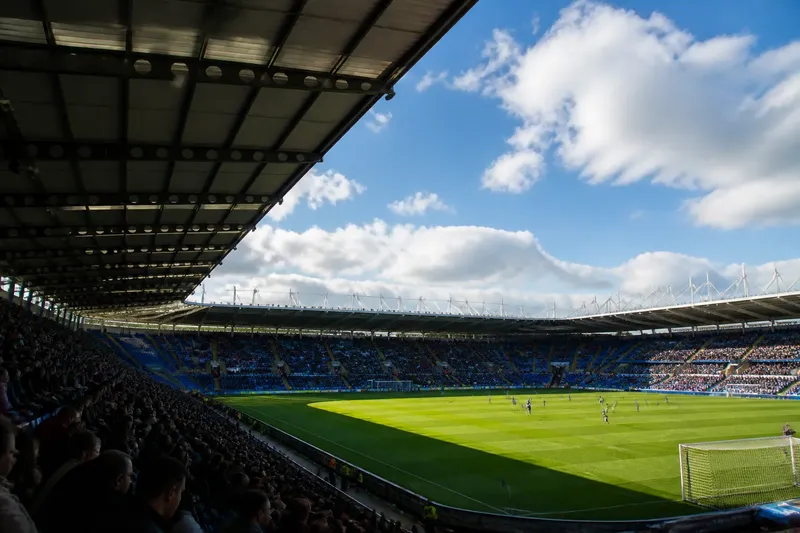
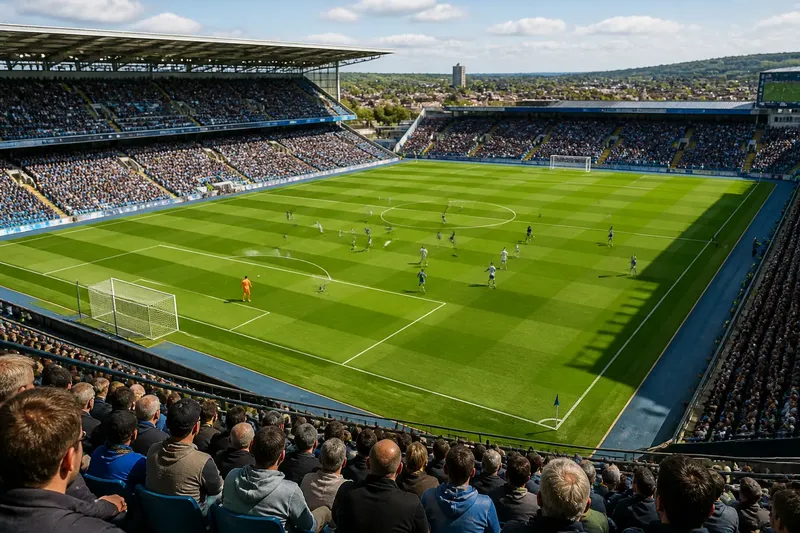
At a football match, rain darkens the seats at one end while a strip of sunlight reaches the pitch. The stadium roof edge helps explain the difference. Its position marks where shelter gives way to open air, shaping what spectators see and how exposed their seats feel.
To understand why stadium roofs stop where they do, look at the edge as the meeting point between the covered stand and the open bowl. Climate, orientation, structure and the intended atmosphere all influence the design. No single roof shape suits every venue.
The roof edge balances shelter with openness
A roof that extends far over the seats can shield more spectators from rain and strong sun. The overhang may also make a stand feel intimate, as if the crowd is gathered under a shared canopy. But a broad roof can block daylight from reaching the pitch, darken some seating areas and limit views of the sky.
A shorter roof preserves a more open feeling and may admit more daylight and natural ventilation. It can, however, leave higher rows or the back of the stand exposed to wind-driven rain. The edge shapes the experience beyond the simple question of whether a seat is covered.
Height and slope matter too. A low edge may shelter spectators without covering much of the pitch; a higher structure can project farther out without feeling as heavy above the audience. Depth, height and angle work together, so changing one can alter the others.
A deeper overhang can suit exposed stands
If a stand faces the usual direction of incoming rain, a deeper overhang may help protect spectators. The same may apply to seats exposed to intense sun. The benefit depends on the weather’s angle: wind can carry rain beneath a canopy, and low afternoon sunlight can pass under its edge.
A roof that shelters only upper rows may leave lower seats exposed. Extending it farther can create structural demands, so its depth must work with the stand’s form and the views from the seats. Designers weigh these constraints rather than treating extra coverage as an automatic improvement.
Say you are examining an invented stadium plan. The starting point is a stand where the front rows sit beyond the roof’s edge, and the prevailing rain arrives from that side. You trace a proposed deeper canopy over those rows, then compare its outline with the seating and field. The expected observable result is that more seats lie beneath the roof; the trade-off is that the proposal may shade more of the pitch, while wind-driven rain could still reach the front.
A higher edge can preserve sky and daylight
Some venues prioritise a strong connection between the crowd, the pitch and the open air. A higher or shallower roof edge can preserve more sky above the field and admit daylight. This may suit a stadium where an open bowl is part of its intended character.
The trade-off is that seats near the edge may be less protected. A roof can also cast shadows across portions of the pitch, depending on its shape, height, orientation and the sun’s path. A stand’s position around the field matters: a roof facing south may interact with sunlight differently from one facing another direction.
A venue used in varied weather may favour a compromise. A modest overhang can cover many spectators while leaving the central field and much of the upper bowl visually open. The design question is which areas need shelter and which benefit from daylight and sky.
The stand and its supports shape the roof edge
A roof edge has to meet the stand beneath it. In a steep stand, a canopy may project over the upper seating while stopping short of the pitch. In a lower, broader stand, the same apparent depth could create a different sense of enclosure and require another support arrangement.
Some roofs use visible trusses or columns; others keep supports away from important views. Each approach affects where the edge can sit and how it appears from inside the venue. A cantilever projects outward from its supports and can leave more seating unobstructed, but its reach must suit the structure.
The roof also relates to neighbouring stands. Different roof heights around a bowl may reflect variations in stand size, orientation or construction. Those differences change how shelter is distributed. A continuous, level edge may look unified, but it is not always the best response to conditions around the ground.
A continuous canopy can unify the bowl
A connected roof around a stadium can make the interior feel like one shared space. It may also create a consistent silhouette from outside. This can suit a venue seeking a coherent bowl, especially where the stands have similar height and geometry.
Continuity still has to respond to each side’s views, light and exposure. A canopy that works well over one stand might shade another more than intended or offer less useful shelter where wind carries rain into the seating.
Separate or varied roof sections can answer local conditions more directly. One stand may need deeper cover while another benefits from a more open profile. The result can be less uniform, yet the variation may make sense when stands have different purposes or face different weather.
What should you look for at a stadium roof edge?
How can you tell which seats the roof covers?
From inside the stand, follow the roof edge above the rows and note which seats sit directly beneath it. Treat that as a first indication rather than a promise of dry seating, since wind can carry rain sideways.
Why do some stadium roofs leave the pitch uncovered?
An open field can preserve daylight, views of the sky and a less enclosed atmosphere. The choice still depends on the venue’s climate and design aims.
Why is the roof edge uneven around some stadiums?
Stands may differ in shape, orientation or need for shelter. A varying edge can respond to those conditions while preserving useful views and daylight in each part of the bowl.
Can a deeper roof make a stadium feel smaller?
It can make covered seating feel more enclosed, particularly when the edge sits low over the crowd. Whether that feels intimate or restrictive depends on the canopy’s height, span and relationship to the open field.
Do not judge the edge by its length alone
More roof is not automatically better. Extending a canopy simply to cover the greatest area can add structural demands, reduce daylight or make the bowl feel closed. A minimal roof chosen for its light appearance can leave seating less comfortable in exposed conditions.
It is not worth judging a roof from an exterior photograph alone. A slim edge may look elegant from outside, but the image cannot show how shelter reaches the rows, whether the field stays bright or how the canopy frames the sky from inside. Look from seating level and consider the stand’s orientation.
Read the roof edge from the seats
For an exposed stand, a deeper overhang may make sense when spectator shelter is the priority. For a venue that values an open bowl and daylight, a higher or shallower edge may fit better. Where stand shapes and weather exposure differ, varied roof sections may be more suitable than one uniform canopy.
The useful question is not simply how far a stadium roof reaches, but what its edge protects and what it leaves visible. When considering why stadium roofs stop where they do, follow the boundary from the seats: it reveals how the venue balances shelter, sky and the view of the field.